

How Long Does It Take to Recover From Knee Surgery Fully and Safely?
How long does it take to recover from knee surgery? For many people, that question becomes constant once the procedure is over. Pain, swelling, and stiffness can make even simple tasks feel uncertain, and it’s hard to know what’s normal versus what might slow healing.
Recovery does not follow a fixed schedule. Moving too quickly can lead to setbacks, while delaying movement and strengthening can slow progress.
This guide explains what influences recovery and how healing is typically progressed in physical therapy, based on tissue healing, strength, and movement rather than generic timelines.
Why Recovery Time Varies
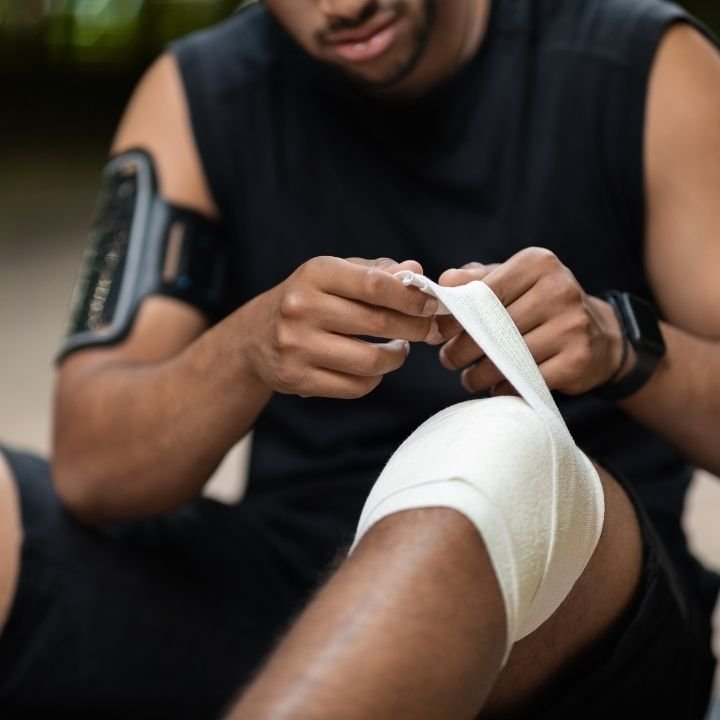
Every knee surgery recovery is different. According to the American Society of Anesthesiologists, recovery time after knee surgery varies based on the type of procedure and how each person’s body heals.
The type of procedure matters, but so does how your body responds as healing progresses.
A smaller surgical repair places different demands on the knee than a ligament reconstruction or joint replacement, which changes how movement and strength are rebuilt.
Several factors influence recovery, including:
Type of surgery and how much tissue was involved
Overall health and fitness before surgery
Previous knee injuries or surgeries
Consistency with physical therapy and home exercises
Other health conditions, such as diabetes or joint stiffness
While general recovery patterns exist, progress is best judged by how your knee tolerates daily movement and strengthening rather than by a fixed timeline.
Recovery by Type
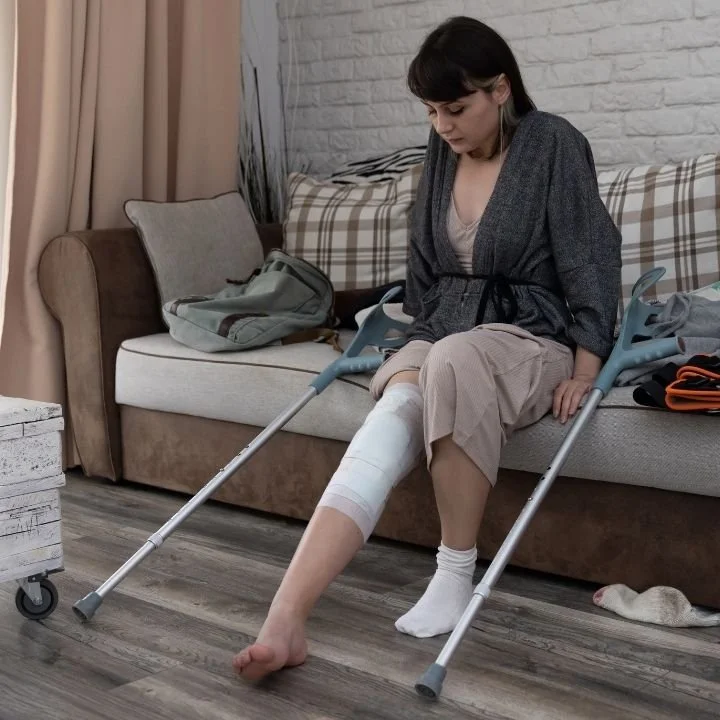
Recovery varies depending on the type of knee surgery and how much healing the joint requires. The patterns below reflect how movement and strength commonly return over time:
1. Meniscectomy
A meniscectomy removes the damaged portion of the meniscus. Because no repair needs to heal, recovery is usually shorter compared to other knee surgeries.
Most people regain comfortable daily movement within weeks, with full recovery for higher-demand activities such as sports or heavy lifting often taking several weeks to a few months, depending on strength and activity goals.
2. Meniscus Repair
A meniscus repair stitches the tissue back together, which requires more protection early on so the repair can heal.
While walking improves over weeks, full recovery takes longer. Returning to higher-impact activities and sports commonly requires months, as strength, control, and tolerance for load are gradually rebuilt.
3. ACL Reconstruction
ACL reconstruction restores knee stability but involves a longer rebuilding process.
Daily movement and basic strength return over weeks, but full recovery for running, cutting, and sport-specific demands typically takes many months. Strength, coordination, and confidence all need time to fully return.
4. Knee Replacement
Knee replacement surgery, also called knee arthroplasty, replaces damaged cartilage and bone with artificial joint components.
Recovery is gradual and continues over a longer period. While daily activities improve over months, full recovery can take many months and may extend up to a year, as strength, endurance, and overall knee function continue to improve.
How Recovery Typically Progresses
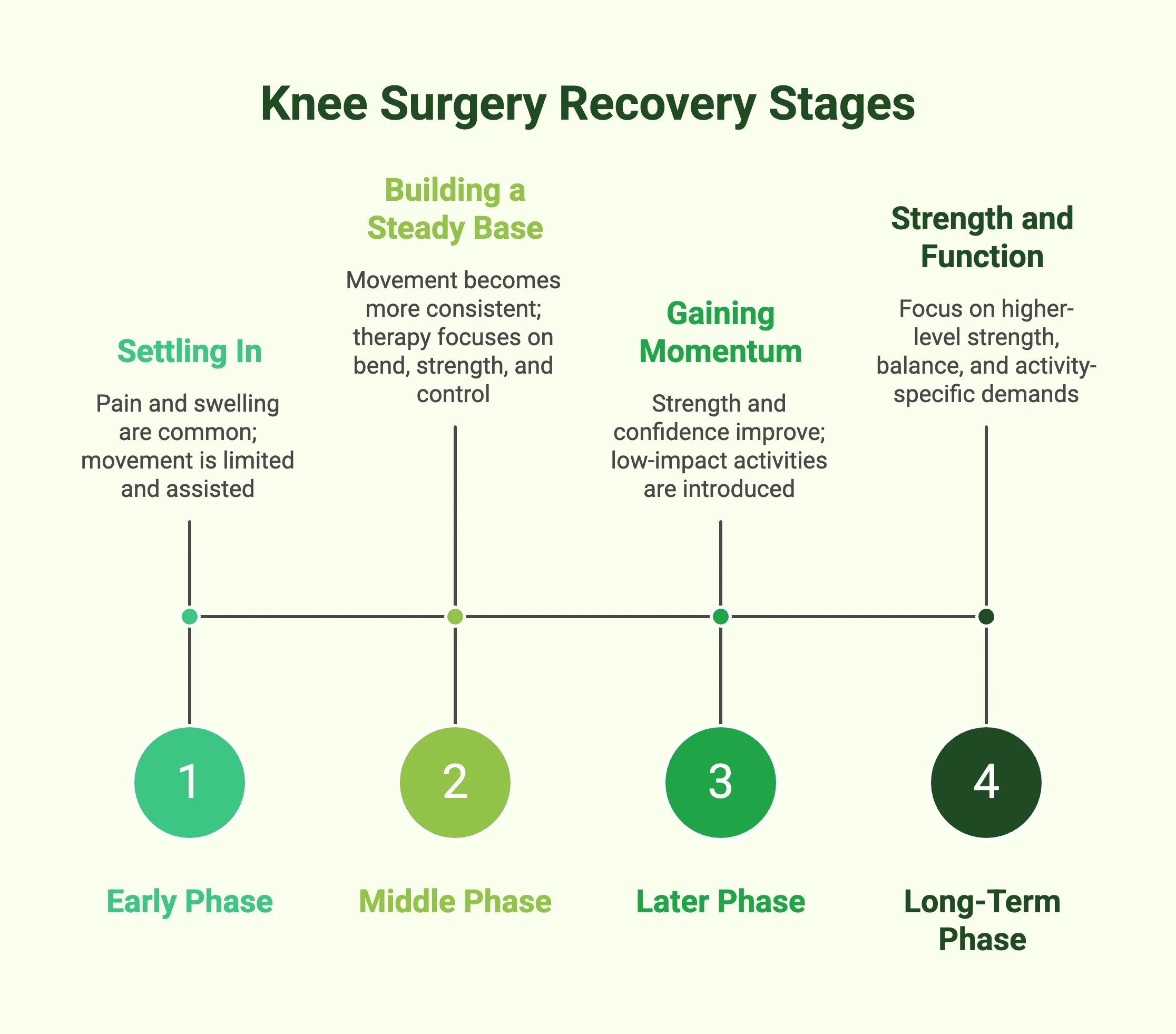
Progress is easier to understand in stages rather than exact days. Your physical therapist adjusts each step based on how your knee responds along the way.
Early Phase: Settling In
Pain and swelling are common early on. Movement is limited to short, assisted walks and basic range-of-motion work.
Elevation and icing help manage symptoms, and rest plays an important role. The focus is on keeping movement gentle while protecting healing tissue.
Building a Steady Base
As symptoms calm, movement becomes more consistent. Walking feels steadier, and therapy sessions focus on restoring bend, strength, and control. Fatigue is common during this phase, and swelling may still fluctuate. Progress is steady, but listening to sore days matters.
Gaining Momentum
Strength and confidence continue to improve. Walking without assistance becomes more natural, and low-impact activities like cycling or pool work are often introduced. Daily tasks feel more manageable, and consistency with exercises supports continued gains.
Long-Term Strength and Function
Later recovery focuses on higher-level strength, balance, and activity-specific demands. Trust in the knee builds gradually, especially after larger procedures. Progress continues over time, with improvements often noticed in function and endurance rather than sudden changes.
Helpful Focus Points by Stage
Early: Elevation, short walks, symptom control
Middle: Regular strengthening and consistent therapy
Later: Balance work and gradual increases in activity
Why Healing Can Progress Differently
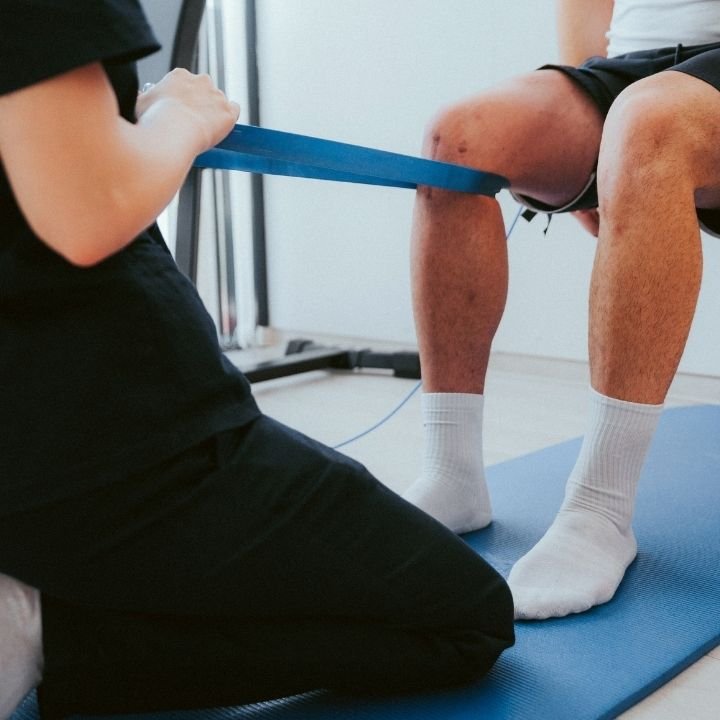
Healing is shaped by several factors working together:
Consistent physical therapy: Regular sessions and follow-through with home exercises help restore movement, rebuild strength, and prevent stiffness.
Preparation and baseline strength: Better strength and mobility before surgery can make early movement easier afterward.
Pain managed appropriately: Using ice, prescribed medication, and pacing activity helps you stay active without causing flare-ups.
Nutrition and sleep: Balanced meals with adequate protein and regular sleep support tissue repair and energy levels.
Activity pacing: Gradual increases allow the knee to adapt without swelling or setbacks.
Skipped rehab or overdoing it early: Inconsistency or pushing too fast often leads to stiffness, swelling, or delayed progress.
Overall health factors: Poor sleep, unmanaged conditions, or excess joint stress can slow healing.
Progress tends to be steadier when these factors are balanced and adjusted based on how the knee responds over time.
Guiding Your Day-to-Day Progress
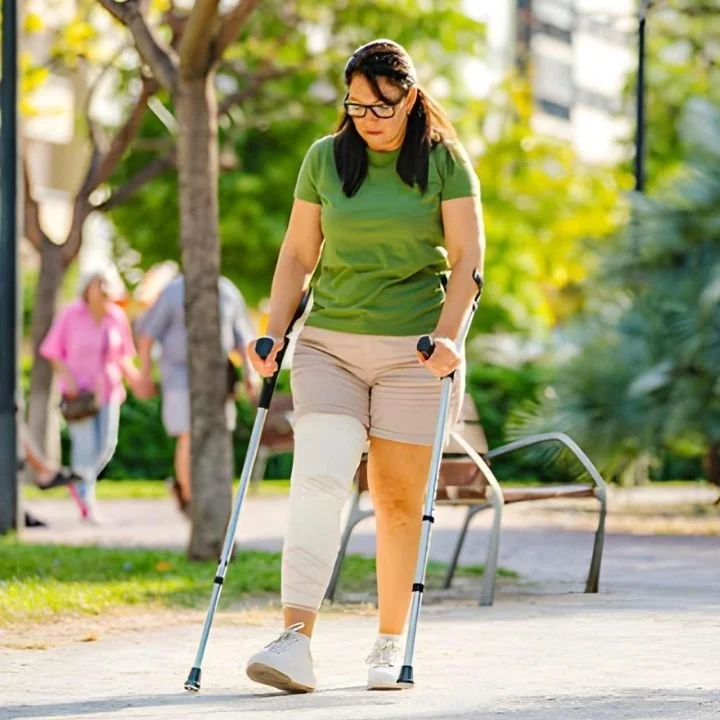
Applying recovery strategies day to day helps keep progress steady and prevents small setbacks from turning into bigger ones. These steps reflect how movement, strength, and habits are commonly built over time after knee surgery.
Before surgery: Prepare your home for easier movement, such as clearing walkways or adding grab bars. Begin basic quad activation if cleared by your provider.
First week: Use ice regularly to manage pain and swelling, and keep walks short and supported.
Ongoing: Attend physical therapy consistently and pay attention to how your knee responds to daily activity and exercises.
As strength improves: Gradually add low-impact movement like cycling and introduce stairs at a controlled pace.
Mindset: Expect ups and downs. Steady effort and patience support better long-term results than pushing through tough days.
A Better Way to Measure Progress
Recovering from surgery is a process, not a deadline. So, how long does it take to recover from knee surgery? The answer depends on how well your knee tolerates movement, strengthening, and gradual increases in daily activity.
While there are common patterns, progress is best measured by function and comfort rather than the calendar. Physical therapy helps guide each stage by adjusting movement and strengthening as the knee adapts. With steady progression and the right support, most people rebuild strength and confidence without unnecessary setbacks.
If you’re unsure how to progress or want support along the way, reach out today to talk through next steps.
Frequently Asked Questions
How Long Does It Take to Recover From Knee Surgery?
Recovery time varies depending on the type of surgery, overall health, and how rehabilitation progresses. Some people regain comfortable daily movement within weeks, while others require several months. Progress is best measured by strength, function, and comfort rather than relying on a fixed timeline.
When Can I Start Walking After Knee Surgery?
Walking usually begins soon after surgery, often with support such as crutches or a walker. Distance and independence increase gradually as pain and swelling improve. Your physical therapist guides walking progression based on how well your knee tolerates movement and weight bearing.
Is Pain Normal During Knee Surgery Recovery?
Mild to moderate pain and stiffness are common, especially early on or after therapy sessions. Discomfort should steadily improve. Increasing, sharp, or lingering pain is not expected and should be discussed with your healthcare provider or physical therapist for proper assessment.
Why Does Knee Surgery Recovery Feel Inconsistent?
Recovery often includes good days and slower days as swelling, strength, and activity levels change. Increased exercise or daily demands can temporarily affect symptoms. These fluctuations are normal and typically settle when activity is adjusted and recovery strategies are followed.
Is Physical Therapy Necessary After Knee Surgery?
Physical therapy helps restore movement, rebuild strength, and improve confidence with daily activities. It also supports safe progression and reduces stiffness. While healing occurs naturally, guided therapy helps prevent long-term limitations and supports a smoother return to normal movement.
