

The Most Common Injuries In Skiing And Long-Term Effects
Skiing injuries often happen in an instant. A sudden twist, a fall, or fatigue late in the day can lead to pain that sidelines you far longer than expected. Recovery can be frustrating, especially when movement, confidence, and time on the slopes are affected.
The most common injuries in skiing can affect how you move, train, and trust your body again. Uncertainty about healing and return-to-sport timing often adds stress for those eager to get back on the mountain.
We work with patients recovering from sports-related injuries and guide safe returns to activity. This article explains common injury patterns in skiing, potential long-term effects, and practical ways to protect your body, so you can move forward with confidence.
The Most Common Injuries in Skiing
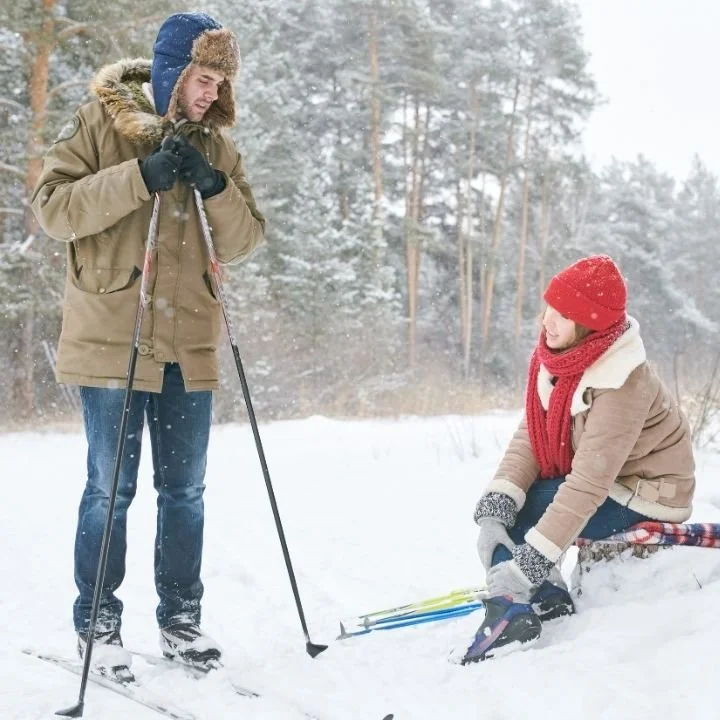
Skiing places unique demands on the body, especially during high speeds, variable terrain, and falls. Here are some of the most common injuries:
Knee Injuries
Knee injuries are the most frequent injuries seen in skiing. Ligaments such as the ACL and MCL are commonly affected when twisting forces exceed what the knee can control. These injuries often involve additional structures like the meniscus, which can complicate recovery and prolong time away from skiing.
Upper Body Injuries
Upper body injuries commonly involve the shoulders, collarbone, and hands. Upper extremity injuries account for approximately 14% of alpine skiing injuries and primarily involve the thumb and shoulder.
Shoulder dislocations, rotator cuff injuries, and AC joint separations often occur during falls or collisions. Injuries to the thumb, sometimes called skier’s thumb, can develop when the hand is caught by the ski pole during a fall.
Head, Neck, and Spine Injuries
Head, neck, and spine injuries occur less often than knee injuries but carry a higher risk. Concussions are the most common head injury in skiing and may occur even with helmet use. More severe injuries to the brain or spine can happen during high-speed falls or collisions.
Lower Leg and Ankle Injuries
Lower leg and ankle injuries are less frequent in modern skiing due to advances in boot and binding design. When they do occur, they may involve fractures near the knee or ankle that require longer recovery periods and careful rehabilitation.
Injury Patterns and Contributing Factors
Most skiing injuries occur during falls, often related to fatigue, speed, or loss of balance. Collisions with other skiers or objects also contribute, particularly in crowded or icy conditions. Equipment setup, terrain choice, and skier experience all play a role in injury risk.
The Long-Term Effects of Skiing Injuries
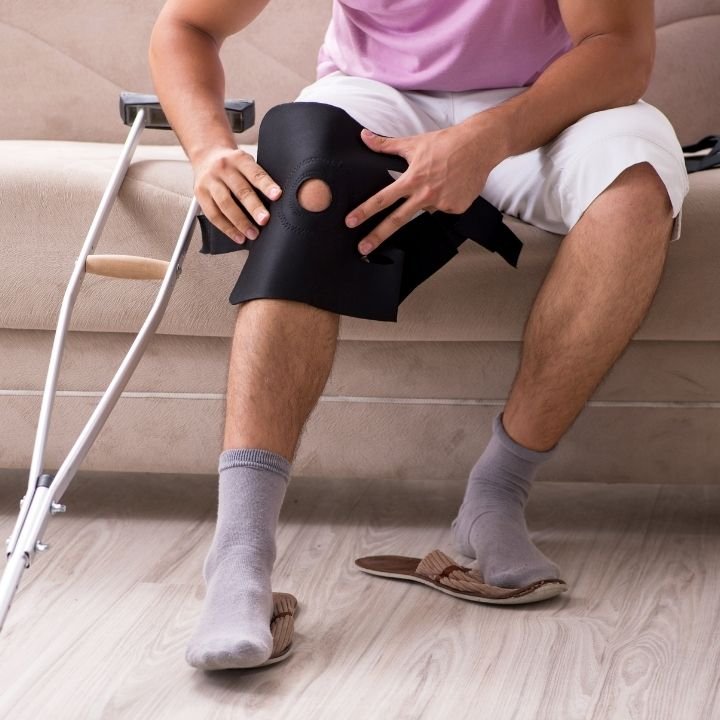
Some skiing injuries heal fully, while others can affect movement and comfort long after recovery.
Common long-term effects include:
Knee changes such as ongoing pain, instability, or earlier joint wear
Reduced shoulder or arm function after dislocations, fractures, or tendon injuries
Persistent symptoms after head injuries, including headaches or balance issues
Chronic neck or back discomfort following spinal trauma
Loss of confidence or fear of re-injury when returning to skiing
Longer recovery timelines that require ongoing strength and movement support
Understanding these potential effects helps guide recovery and long-term joint care, especially for skiers planning to stay active over time.
How to Avoid Skiing Injuries
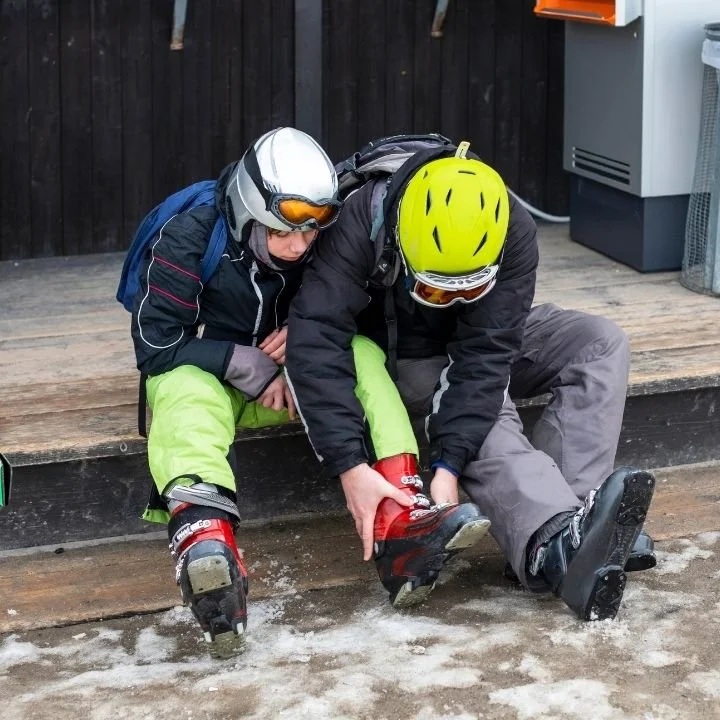
Injury prevention in skiing comes down to preparation, equipment, and decision-making on the slopes.
Key ways to reduce injury risk include:
Use properly fitted equipment: Wear a helmet, ensure bindings are correctly adjusted, and use supportive gear if you have a prior injury.
Build strength and control before the season: Focus on leg strength, balance, and core stability to help the body absorb force and protect the joints.
Warm up before skiing: Cold muscles are more vulnerable. Gentle movement and activation before your first run improve control.
Manage fatigue on the slopes: Most injuries occur when muscles are tired. Take regular breaks and avoid pushing through late-day fatigue.
Maintain a balanced skiing stance: Staying centered over your skis helps reduce twisting forces on the knees and limits loss of control.
Ski within your ability level: Choose terrain that matches your skill and conditions, especially in poor visibility or icy snow.
Practice safer falling techniques: Avoid reaching out stiff-armed during a fall, which increases risk to the shoulders and wrists.
How to Heal and Come Back
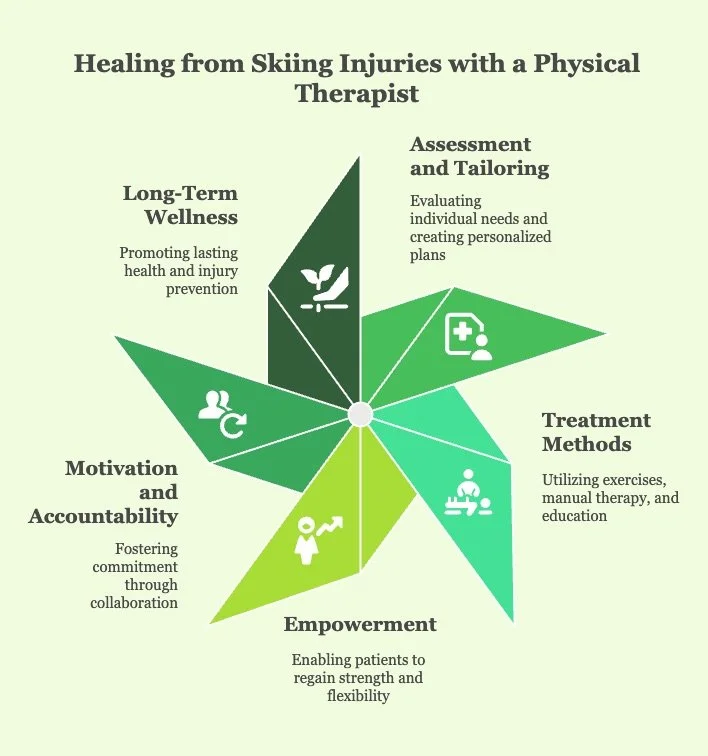
Healing from skiing injuries works best when it follows a gradual, structured process guided by a physical therapist. Early care focuses on protecting the injured area, reducing pain and swelling, and restoring comfortable movement without overload.
As healing progresses, physical therapy shifts toward rebuilding strength, balance, and control. Exercises are selected to support the muscles and joints needed to absorb force, stabilize movement, and respond to uneven terrain. This phase helps the body tolerate increasing load safely and efficiently.
Later stages of healing emphasize controlled, sport-specific movement under professional guidance. The goal is to restore coordinated motion, symmetry, and joint support so the body can handle skiing demands without compensating or breaking down.
Working with a physical therapist helps ensure healing progresses at the right pace and supports long-term joint health.
Planning Recovery Beyond the Slopes
The most common skiing injuries can change how you move, train, and trust your body long after a fall. Understanding how these injuries happen and what supports proper healing gives you more control over recovery and long-term joint health.
With the right plan, many skiers return to the slopes stronger and more confident.
If a skiing injury is affecting your comfort or performance, you don’t have to manage recovery alone. A physical therapist can guide healing, lower re-injury risk, and support a safe return to activity. Contact us today to take the next step toward moving well on and off the mountain.
Frequently Asked Questions
What are the most common injuries in skiing?
The most common injuries in skiing involve the knees, shoulders, head, and lower leg. Knee ligament injuries are especially frequent due to twisting forces during falls. Shoulder injuries often occur when bracing during impact, while concussions and fractures can result from high-speed collisions.
Can skiing injuries cause long-term problems?
Yes. Some skiing injuries heal fully, while others can lead to ongoing pain, stiffness, joint wear, or reduced confidence with movement. Knee, shoulder, and head injuries are more likely to have lasting effects, especially without proper rehabilitation and gradual return to activity.
Why do knee injuries happen so often in skiing?
Knee injuries are common because skis remain fixed while the body rotates during a fall. When balance is lost, twisting forces transfer directly to the knee ligaments instead of being absorbed by muscles, increasing the risk of ligament strain or tearing.
How long does it take to recover from a skiing injury?
Recovery time depends on the type and severity of the injury. Some injuries improve within weeks, while others require months of rehabilitation. Healing is influenced by injury location, movement demands, and how gradually strength and control are restored during recovery.
Should I see a physical therapist after a skiing injury?
Seeing a physical therapist can help guide recovery, restore movement, and reduce the risk of re-injury. Physical therapy focuses on strength, balance, and joint control, helping the body safely handle skiing demands before returning to activity.
