

10 Tips for Avoiding Running Injuries in Chicago
Chicago spring running brings multiple changes at once. The Lakefront Trail gets busier, the wind picks up, and mileage increases after a slower winter.
How do you avoid getting injured when all of that happens? It is not as simple as just running more.
The short answer is this: Avoiding running injuries comes down to gradual mileage, smart route choices, strength work, recovery, and getting help when pain keeps returning.
These tips show how to manage that transition and keep your running consistent.
1. Ease back into outdoor mileage after winter
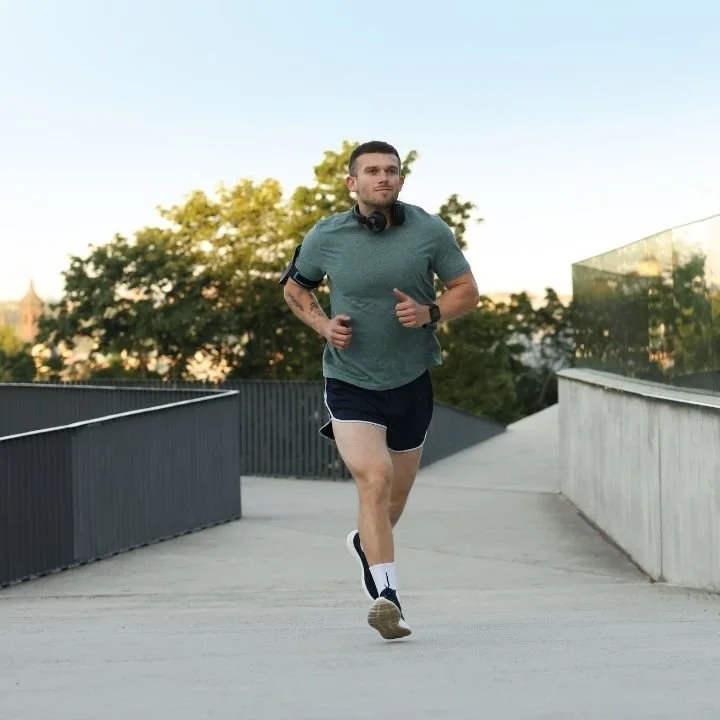
After winter, your body is not ready for the same running load, even if you feel motivated to get outside. Moving from a treadmill or low activity to harder, uneven pavement increases stress on your joints and can quickly lead to soreness or injury. Cooler conditions can delay heat buildup, but your body still needs time to adjust.
Start with shorter outdoor runs around 2 to 4 miles and build gradually. Increase weekly mileage by no more than 10 percent, and transition over 2 to 3 weeks by keeping harder runs controlled or using a run-walk pattern if needed.
2. Plan runs around Chicago weather shifts

Temperature and wind directly affect how your body handles load. Cold muscles produce less force, while wind increases effort without changing pace.
Adjust your plan based on conditions to decrease running related injuries. On colder days below 50°F, extend your warm-up and start slower than usual. On windy days, run by effort instead of pace. When surfaces are slick, shorten your stride and slow down to stay stable.
3. Adjust your pace on the windy Lakefront Trail

Wind increases the effort your body has to produce with each step, even if your pace looks the same. Running into a steady headwind can make a normal run feel harder and lead to early fatigue.
Run by effort instead of pace, and expect your speed to naturally slow down. You may slow by about 15 to 30 seconds per mile when running into the wind. Keep your stride slightly shorter, maintain steady breathing, and relax your upper body to reduce unnecessary stress on your joints.
4. Choose routes that reduce repeated impact

Surface choice affects how much force your body absorbs with each step. Concrete is the hardest surface and sends more impact through your knees and shins compared to asphalt, dirt, or gravel.
Rotate your routes to reduce repeated stress. Use asphalt instead of sidewalks when possible and mix in softer surfaces during the week. Avoid running on the same slanted road every day, and switch directions to keep the load balanced.
Areas like the 606 Trail, Lincoln Park paths, and the North Branch Trail provide softer ground compared to standard concrete.
5. Warm up before your first mile
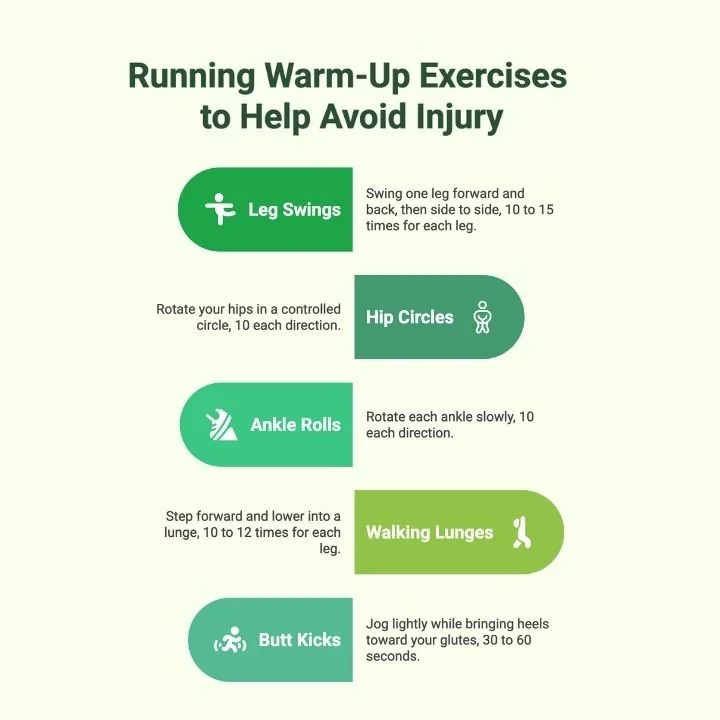
A short warm-up prepares your body to handle load and helps your movement feel smoother from the start. Spend 3 to 5 minutes on dynamic movements before you run:
Leg swings: swing one leg forward and back, then side to side, 10 to 15 times for each leg
Hip circles: rotate your hips in a controlled circle, 10 each direction
Ankle rolls: rotate each ankle slowly, 10 each direction
Walking lunges: step forward and lower into a lunge, 10 to 12 times for each leg
Butt kicks: jog lightly while bringing heels toward your glutes, 30 to 60 seconds
Finish with an easy 3 to 5 minute jog so your body can settle into a steady rhythm before increasing pace.
6. Strengthen the muscles that support your stride

Running is a series of controlled impacts. Without enough strength, your body absorbs more force than it can manage, which increases the risk of breakdown.
Focus on hips, glutes, calves, and core with simple strength work 2 to 3 times per week:
Calf raises: stand on both feet and lift your heels, then lower slowly, 10 to 15 reps
Glute bridges: lie on your back and lift your hips, squeezing your glutes at the top, 10 to 15 reps
Single-leg Romanian deadlifts: balance on one leg and hinge forward at the hips, 8 to 10 each side
Lunges: step forward and lower into a controlled lunge, 10 each leg
Planks: hold a straight body position, 20 to 30 seconds
Perform 2 to 3 sets per exercise. Keep movements controlled and focus on balance and form, not speed, to build strength that carries into your running.
7. Replace running shoes before they break down

Running shoes lose cushioning and stability with use, which increases the amount of force your body has to absorb with each step. Most running shoes begin to break down between 350 to 500 miles, or about 4 to 6 months for consistent runners.
Track your mileage and replace shoes before they feel flat, stiff, or less responsive. Pay attention to new aches in your knees, arches, or shins, uneven sole wear, or a heel that feels soft or unstable, as these are early signs that your shoes are no longer supporting your stride properly.
8. Build recovery into your training week

Your body adapts during recovery, not during activity. Without enough recovery time, small stress from each run adds up and increases the risk of injury.
Plan at least 1 to 2 low-load or rest days each week to give your muscles and joints time to reset. Use light activity like walking, cycling, or mobility work to stay active without adding impact.
Aim for 7 to 9 hours of sleep to support muscle repair, and keep harder runs spaced out so your body has time to recover before the next effort.
9. Pay attention when pain changes how you run
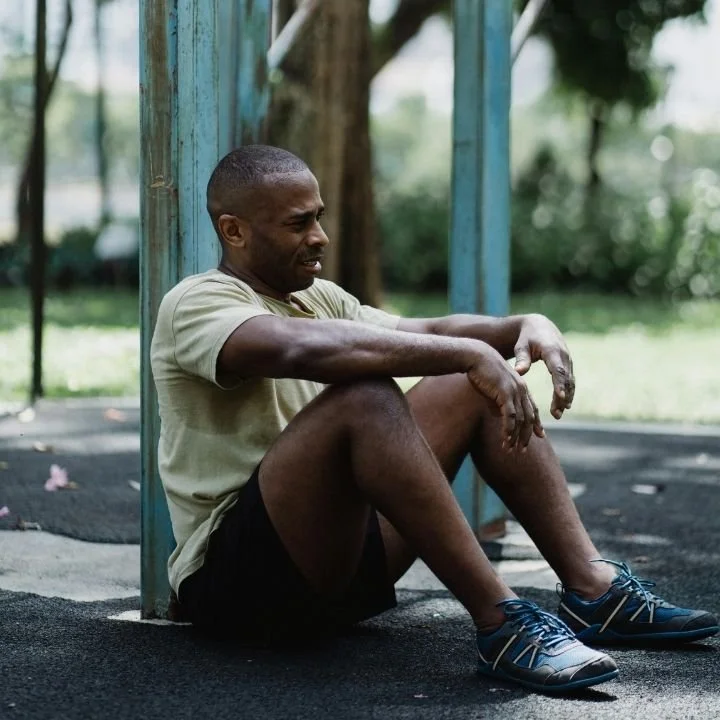
Pain that changes how you move is a sign your body is compensating. When your stride shifts, other areas take on more load, which increases the risk of a more serious issue.
If you notice limping, shorter strides, uneven push-off, or favoring one side, stop or reduce your run right away. Lower your running volume by 20 to 50 percent and monitor how symptoms respond.
Sharp pain, pain that starts earlier in your run, or discomfort that lasts into the next day should not be ignored, as these are signs your body may need rest or assessment from a physical therapist.
10. Get recurring running pain checked early
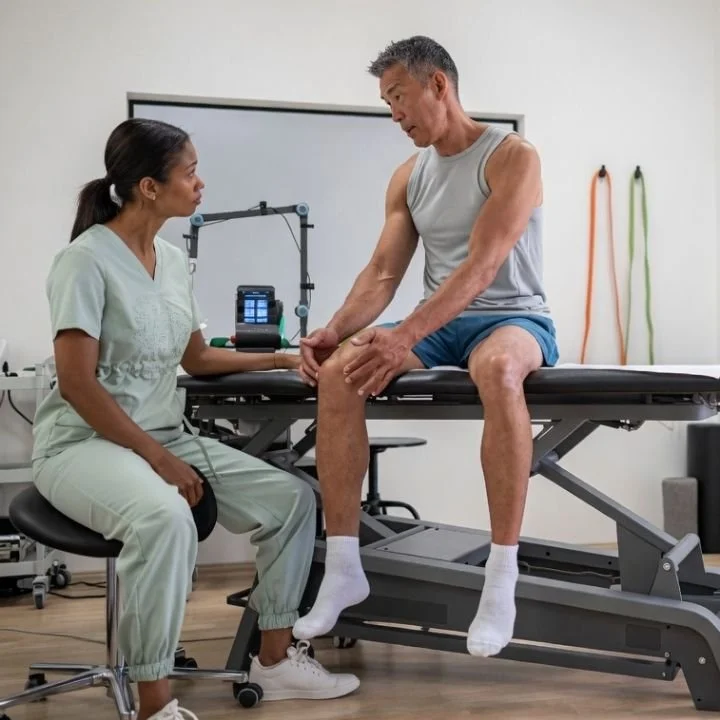
Pain that lasts longer than 5 to 7 days usually means the issue is not resolving on its own. Waiting too long can lead to compensation, where your body shifts the load to other areas and creates a bigger problem.
If pain affects your stride or does not improve after the first 10 minutes of running, it is a sign to stop and reassess. Early evaluation helps identify the cause and correct it before it becomes harder to manage, so you can stay consistent with your running.
Schedule a running assessment with Physio Chicago
Running injuries often come down to how you manage load, movement, and recovery across changing conditions. Chicago weather shifts, wind, and hard surfaces make that balance even more important to maintain.
If something feels off or keeps coming back, it is time to address it directly. A focused assessment helps you understand what is driving the issue and how to correct it so you can keep running without interruption.
Get a Free Consultation with us today and start running with a plan that works for you.
Frequently asked questions
Is Chicago a good city for running?
Yes, Chicago is great for running because of its flat terrain and long connected paths. The challenge comes from wind, weather changes, and hard surfaces, which require better pacing, recovery, and surface selection to stay injury-free.
Where is it safe to run in Chicago?
Safe places to run in Chicago include the Lakefront Trail, the 606 Trail, the Chicago Riverwalk, and paths within Lincoln Park. Neighborhoods like Lincoln Park, Lakeview, West Loop, and South Loop are generally safe for daytime running, with well-lit routes, steady foot traffic, and regular patrol presence.
Why do runners get injured so often?
Runners get injured when training load increases faster than the body can adapt. Repetitive impact, poor recovery, and ignoring early pain signals all contribute, especially when strength and movement control are not built alongside mileage.
What is the most common injury for runners?
Runner’s knee is one of the most common injuries, caused by repeated stress on the knee joint. It often develops when hip strength and movement control are not enough to support a consistent running load.
What is the best neighborhood for runners in Chicago?
Lincoln Park is one of the best neighborhoods for runners because of its access to lakefront paths, park loops, and softer running surfaces. It offers longer uninterrupted routes, better footing, and consistent space for both short and long runs.
