

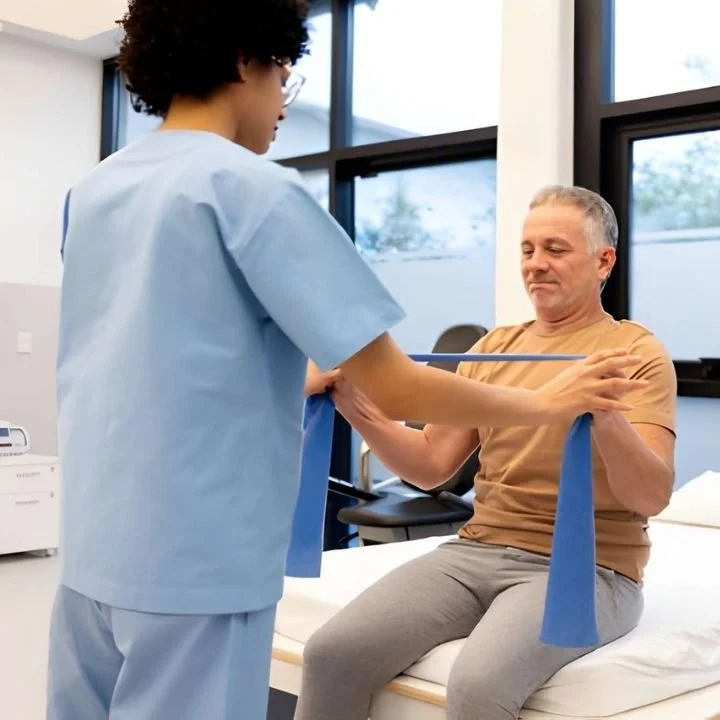
Rotator Cuff Rehabilitation Chicago
Structured Shoulder Recovery
Shoulder pain can make simple movements difficult. Reaching overhead, lifting objects, or sleeping on one side may become uncomfortable when the rotator cuff is injured.
When this pain persists, shoulder strength and mobility often decline. Rotator cuff rehabilitation in Chicago helps restore movement through structured physical therapy designed to rebuild strength and improve joint stability.
At Physio Chicago, licensed physical therapists provide individualized shoulder rehabilitation using hands-on treatment and progressive exercise programs to support safe and lasting recovery.
What Is Rotator Cuff Rehabilitation?
Rotator cuff rehabilitation is a form of physical therapy designed to restore shoulder strength, mobility, and stability after rotator cuff injury, irritation, or surgery. Physical therapy exercises are commonly recommended to improve flexibility and strengthen the shoulder.
The rotator cuff is made up of several muscles and tendons that work together to stabilize the shoulder joint and guide controlled arm movement.
Injury, overuse, or degenerative changes can weaken or irritate these structures, leading to pain, weakness, and restricted movement.
Rotator cuff rehabilitation uses evidence-based techniques such as manual therapy, mobility exercises, strengthening programs, and movement retraining to restore shoulder mechanics.
Therapy focuses on improving muscle coordination, rebuilding strength in the surrounding shoulder muscles, and restoring the balance necessary for stable and pain-free movement.

Signs You May Need Rotator Cuff Therapy
Signs you may need rotator cuff therapy include shoulder pain, weakness, or difficulty lifting the arm. Early treatment can help prevent symptoms from becoming chronic.
You may benefit from rotator cuff rehabilitation if you experience:
Shoulder pain when lifting your arm overhead
Weakness when reaching or carrying objects
Pain while sleeping on the affected shoulder
Limited range of motion in the shoulder joint
Clicking or catching sensations during movement
Persistent discomfort during sports or work activities
These symptoms may indicate irritation, strain, or tearing of the rotator cuff tendons and should be evaluated by a physical therapist.

Get in Touch Today
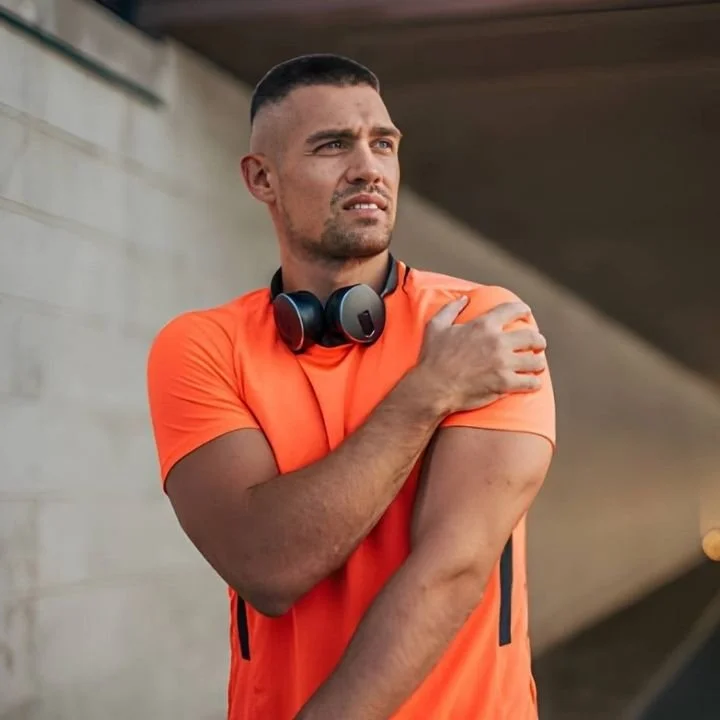
Common Rotator Cuff Injuries We Treat
Our Chicago physical therapists work with patients experiencing a wide range of shoulder conditions affecting the rotator cuff.
Common conditions include:
Rotator cuff tendonitis: Inflammation of rotator cuff tendons causing shoulder pain with lifting or overhead movement.
Rotator cuff strains or partial tears: Muscle or tendon injury that leads to weakness, discomfort, and reduced shoulder strength.
Shoulder impingement syndrome: Compression of rotator cuff tendons during movement, often causing pain when raising the arm.
Degenerative rotator cuff tears: Gradual tendon damage from aging or long-term shoulder overuse.
Overuse injuries: Repetitive shoulder activity in sports or physical work that irritates rotator cuff muscles.
Each condition affects shoulder mechanics differently. Rehabilitation programs are therefore customized to restore proper movement while protecting the healing tissues.
Our Approach to Rotator Cuff Rehabilitation in Chicago
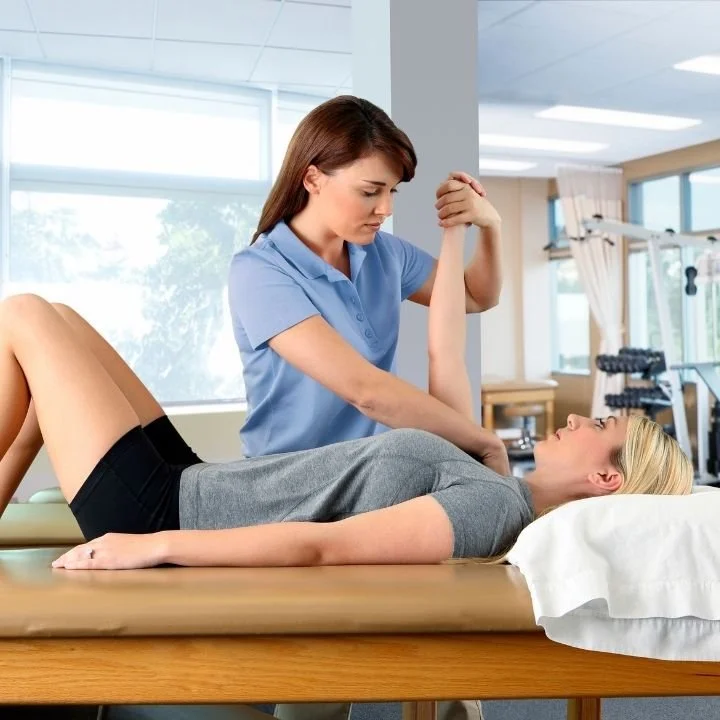
At Physio Chicago, rotator cuff rehabilitation focuses on individualized care delivered through one-on-one physical therapy sessions. Treatment plans are developed after a comprehensive evaluation of shoulder movement, strength, and functional limitations.
Therapy often includes:
Manual therapy to improve joint mobility and reduce tissue tension
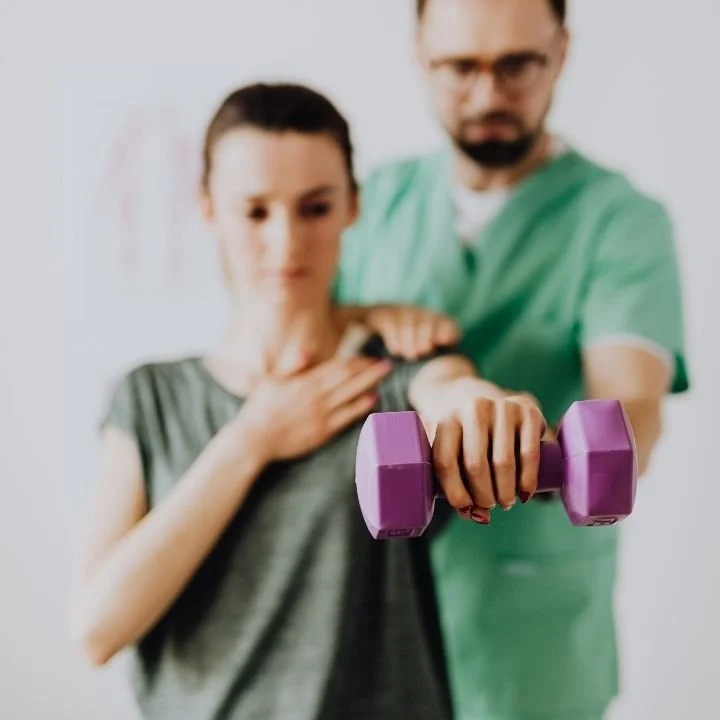
Targeted strengthening exercises for the rotator cuff and shoulder stabilizers
Progressive loading strategies to rebuild tendon capacity
Postural and movement retraining to reduce strain on the shoulder
Functional training tailored to work, sport, or daily activities
By combining hands-on therapy with structured exercise programs, therapists guide patients through a recovery process that restores shoulder performance safely and effectively.
Post-Surgical Rotator Cuff Rehabilitation
Patients recovering from rotator cuff surgery often require a structured rehabilitation program to restore shoulder function safely.
Post-surgical therapy typically includes:
Early Mobility and Protection
During the early stages of recovery, therapy focuses on protecting the surgical repair while maintaining gentle shoulder movement. Guided mobility exercises help prevent stiffness and support healthy joint motion without placing unnecessary stress on the healing tendons.
Gradual Strength Restoration
As healing progresses, treatment gradually introduces strengthening exercises designed to rebuild the rotator cuff and surrounding shoulder stabilizing muscles. These exercises are carefully progressed to improve muscle coordination and support long-term shoulder stability.
Soft Tissue and Scar Mobility
Post-surgical rehabilitation may also include hands-on therapy techniques to address scar tissue and surrounding soft tissue restrictions. Improving tissue mobility helps support comfortable movement and prevents stiffness that may limit shoulder function.
Progressive Return to Activity
The final stage of rehabilitation focuses on restoring full shoulder function for daily tasks, work demands, and physical activity. Therapists guide patients through progressive movement training so the shoulder can safely tolerate higher levels of activity.

What to Expect at Your First Appointment
Your first rotator cuff rehabilitation appointment begins with a comprehensive physical therapy evaluation.
1. Detailed Assessment
Your therapist reviews medical history, discusses your symptoms, and evaluates shoulder mobility, strength, posture, and functional movement patterns to understand how the rotator cuff injury affects daily activity.
2. Movement Analysis
Your therapist performs targeted clinical tests to assess rotator cuff strength, joint mobility, and shoulder mechanics to determine which structures contribute to pain and restricted movement.
3. Personalized Treatment Plan
Based on the evaluation findings, your therapist designs an individualized rehabilitation program focused on restoring shoulder mobility, improving muscle strength, and correcting movement patterns safely.
4. Initial Therapy Session
Treatment may begin during the first appointment with manual therapy techniques, guided mobility exercises, and education on safe shoulder movements to support early recovery.
Why Choose Physio Chicago?
Physio Chicago provides rotator cuff rehabilitation Chicago patients can trust through personalized, evidence-based shoulder recovery programs.
Our clinic offers:
Experienced physical therapists specializing in shoulder rehabilitation
One-on-one therapy sessions focused on individualized care
Evidence-based treatment techniques supported by clinical research
Progressive strengthening programs designed for safe recovery
Functional movement retraining for work and sport activities
Our goal is not only to relieve pain but to restore strength, stability, and confidence in shoulder movement.
Rotator cuff injuries can significantly limit mobility and interfere with daily life, work responsibilities, and physical activity. Rotator cuff rehabilitation Chicago offers a proven pathway to recovery by restoring shoulder strength, improving joint stability, and supporting safe return to normal movement.
Schedule an evaluation with Physio Chicago to begin a structured rehabilitation program designed to help you move comfortably and confidently again.
Start Your Shoulder Recovery Today
Frequently Asked Questions
-
Persistent shoulder pain, weakness, or difficulty lifting your arm may indicate the need for rotator cuff rehabilitation. A rotator cuff rehabilitation program in Chicago evaluates shoulder movement and guides recovery through targeted exercises and manual therapy.
-
Yes, many rotator cuff injuries improve with structured physical therapy. Rotator cuff rehabilitation Chicago programs restore shoulder mechanics, strengthen surrounding muscles, and reduce tendon irritation to support recovery without surgery.
-
Rotator cuff rehabilitation timelines vary based on injury severity and if surgery was required. Mild irritation may improve within several weeks, while tendon tears or post-surgical rehabilitation may require several months.
-
Rotator cuff rehabilitation includes mobility exercises, shoulder stabilization drills, and progressive strengthening programs. These exercises rebuild rotator cuff strength, improve scapular stability, and restore efficient shoulder movement.
-
Yes, many patients can continue light activities during rotator cuff rehabilitation Chicago programs. Physical therapists provide activity modifications and progressive exercises to protect the shoulder while it heals.
