

Seven symptoms can point to pelvic floor problems in men, including urinary leakage, frequent bathroom trips, persistent pelvic pain, constipation, painful ejaculation, sexual changes, and ongoing hip or lower back discomfort. These symptoms have several possible causes, so a medical assessment can help identify what’s contributing before treatment begins.
Pelvic floor problems aren’t limited to women. Men rely on these muscles for bladder and bowel control, sexual function, and daily movement. Problems can interfere with work, exercise, sleep, and intimacy, even without an obvious injury.
Pelvic floor physical therapy addresses these problems through strength, tension, and coordination work. Your symptoms and examination findings help determine which approach fits your needs.
Why pelvic floor problems can affect men
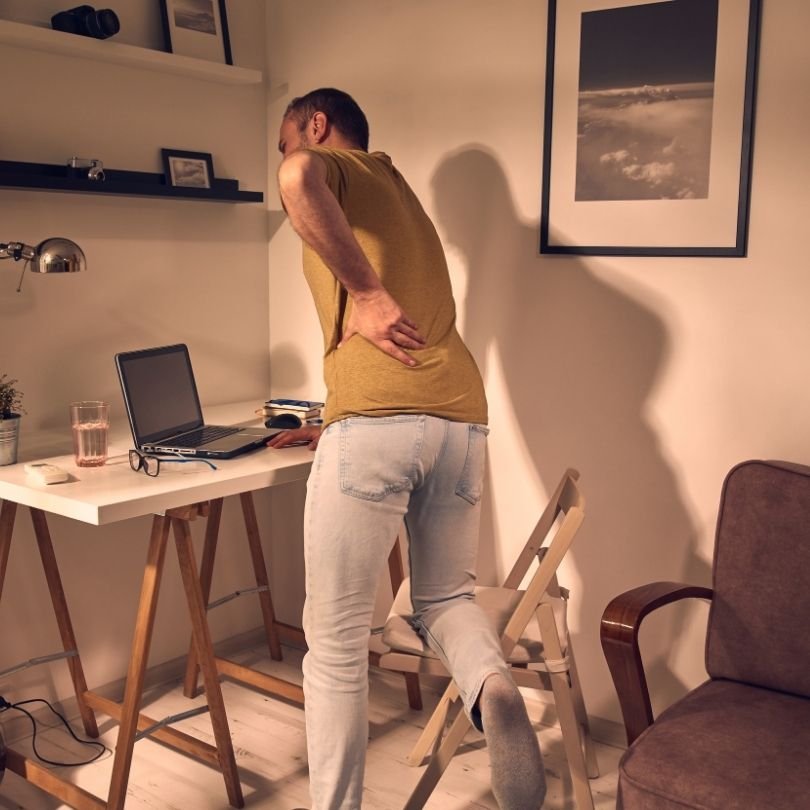
Pelvic floor problems can affect men when the muscles supporting the bladder, bowel, and sexual organs become weak, overly tight, or poorly coordinated. These changes can interfere with urination, bowel movements, and sexual function.
A 2019 review in RadioGraphics finds that injury can cause urinary, bowel, and sexual problems. It also finds that chronic pain can raise pelvic muscle tone enough to affect sexual function.
Signs that may point to pelvic floor dysfunction
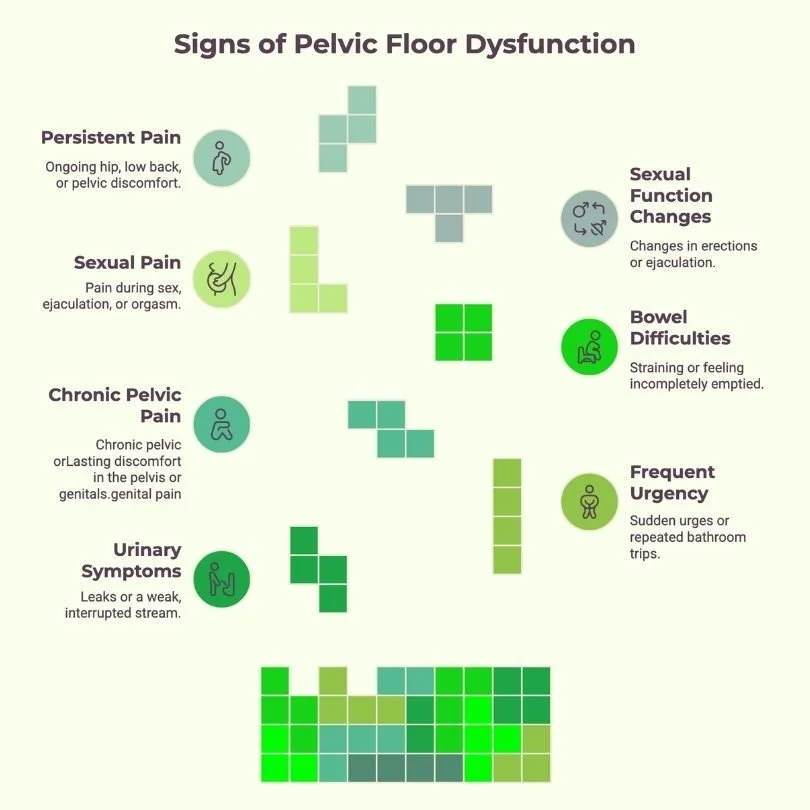
Male pelvic floor dysfunction can affect bladder control, bowel movements, sexual health, and surrounding muscles. The following symptoms deserve attention, particularly if they persist, recur, or interfere with everyday activities.
Seek immediate medical care if you cannot urinate, have sudden severe testicular pain, or develop painful urination with fever and chills.
1. Urinary leakage or a weak stream
Leaking when you cough, lift, or exercise can reflect reduced pelvic floor support or control. A weak or interrupted stream can occur when the pelvic floor muscles don’t relax properly during urination. Prostate enlargement and other urinary conditions produce similar symptoms, so get a medical assessment.
2. Frequent urgency or bathroom trips
Sudden urges, frequent bathroom trips, or waking several times at night can occur with pelvic floor dysfunction. Excess tension can affect bladder habits, but infections and prostate conditions cause the same changes.
3. Chronic pelvic or genital pain
Ongoing discomfort in the perineum, testicles, penis, or lower abdomen can stem from tight pelvic floor muscles. The pain can worsen during long periods of sitting. Infections and nerve problems can cause the same pain, so a medical evaluation comes first.
4. Constipation or difficulty emptying the bowels
Straining or constipation can occur when the muscles don’t relax during a bowel movement. You might feel incompletely emptied or spend long stretches on the toilet. Treatment focuses on coordination as much as strength.
5. Pain with intercourse, ejaculation, or orgasm
Pain during sexual activity or ejaculation can be associated with excessive pelvic floor tension. Discomfort may occur in the pelvis, penis, testicles, or perineum and can continue afterward. These symptoms deserve medical attention to rule out infection, prostate conditions, and other possible causes.
6. Sexual function changes
Pelvic floor muscles contribute to erections and ejaculation, so reduced control or excess tension can contribute to sexual difficulties. Circulation, medication, hormones, and psychological factors also affect sexual function, so a complete evaluation helps identify the right treatment.
7. Persistent hip, low back, or pelvic pain
The pelvic floor works with the muscles that support your hips, abdomen, and lower back. Persistent hip or low back pain can accompany pelvic floor dysfunction, especially alongside urinary or bowel symptoms. Pain in these areas alone doesn’t confirm a pelvic floor problem.
What male pelvic floor physical therapy can address
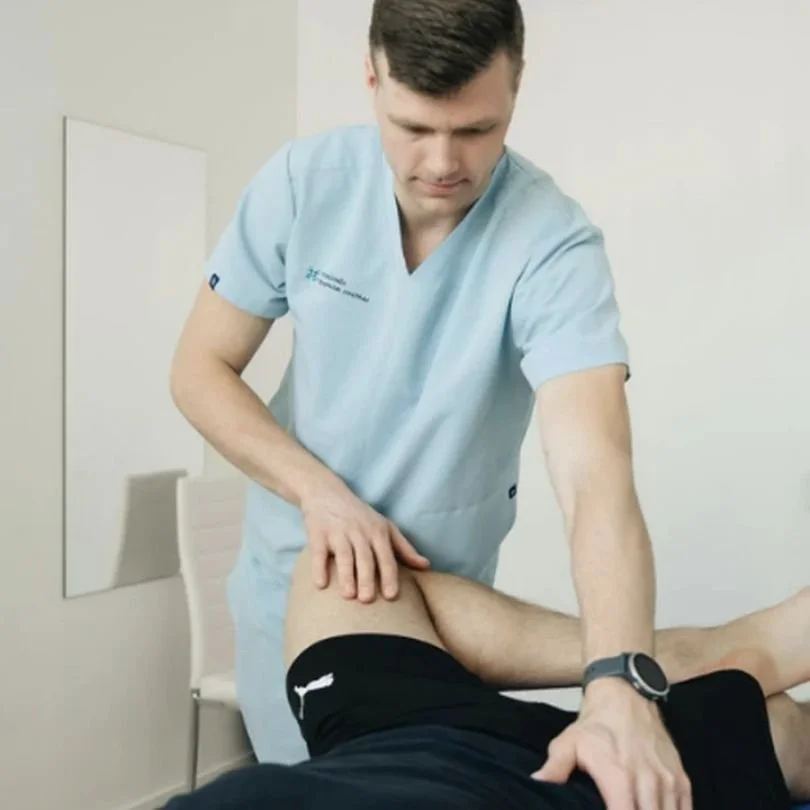
Male pelvic floor physical therapy can address urinary leakage, bowel emptying problems, pelvic pain, and sexual function changes. Therapists match the treatment to the problem they find. Overactive muscles may benefit from relaxation and coordination work.
Weak muscles may benefit from guided strengthening, and biofeedback can help with coordination. Mobility work can ease pelvic and hip discomfort.
What to expect during pelvic floor physical therapy

Your first visit starts with a conversation about your symptoms, medical history, and daily habits. Your therapist will ask about bladder and bowel habits, pain patterns, and any past surgeries. The evaluation includes several steps:
Symptom review: Your therapist discusses where your discomfort is, how long it lasts, and what triggers it.
Pelvic floor exam: Your therapist may assess muscle strength, resting tension, and coordination. An internal rectal exam may be offered when appropriate and only with your informed consent.
Treatment planning: Your therapist chooses exercises and other treatments based on what the exam finds.
Home practice: You practice recommended exercises between sessions.
You can ask questions before any exam or treatment begins, decline an exam technique, or ask to stop.
How long pelvic floor therapy may take

Male pelvic floor therapy can take several weeks or months, depending on the underlying condition, symptom duration, and response to treatment. There is no fixed recovery timeline that applies to everyone.
Depending on your symptoms, progress may include fewer leakage episodes, easier bowel emptying, less pain, or better tolerance for sitting and exercise.
Your therapist can adjust the plan as your symptoms change. Persistent or worsening symptoms should prompt a reassessment, and a doctor or urologist should be involved if they don’t improve.
Find male pelvic floor therapy in Chicago
Pelvic floor problems can affect your comfort, confidence, and daily activities. If you’re seeking pelvic floor dysfunction therapy in Chicago, start with an evaluation to determine which symptoms may respond to rehabilitation.
Physio Chicago provides individualized physical therapy with 45-minute one-on-one sessions led by licensed physical therapists. Each treatment plan focuses on your specific needs and recovery goals. Pelvic floor therapy is listed at the practice’s Bucktown location.
Get a free consultation to see how physical therapy can support your pelvic health.
FAQs about male pelvic floor therapy
How do I know if I have pelvic floor dysfunction as a man?
Common signs include urinary leakage, frequent urination, constipation, pelvic pain, and discomfort during sexual activity. These symptoms can also indicate other conditions, so a medical evaluation is important for identifying the underlying cause.
What weakens a man’s pelvic floor?
Prostate surgery, aging, nerve damage, and prolonged straining can contribute to pelvic floor weakness. These factors can affect muscle strength and control, potentially leading to urinary leakage or difficulty supporting normal bladder and bowel function.
Can pelvic floor dysfunction in men improve with therapy?
Yes. Pelvic floor physical therapy can improve bladder control, reduce discomfort, and restore muscle function. Treatment can include targeted exercises, biofeedback, and manual therapy, depending on the underlying condition and individual rehabilitation needs.
How often should men do pelvic floor exercises?
Exercise frequency depends on muscle strength, symptoms, and treatment goals. Some men benefit from daily strengthening exercises, while others require a different approach. A physical therapist can recommend appropriate repetitions, duration, and rest periods.
Do all men with pelvic floor symptoms need strengthening exercises?
No. Men with excessive pelvic floor tension may benefit from relaxation exercises and breathing techniques instead. Strengthening tight muscles without addressing their ability to relax can worsen discomfort, making an individualized treatment approach important.
