

7 Signs You Need Physical Therapy for Shin Splints
When should you consider physical therapy for shin splints? While mild symptoms often improve with rest, ongoing pain may be a sign your lower leg needs additional support.
Physical therapy for shin splints focuses on identifying what's contributing to your pain, improving how you move, and helping you return to activity safely. Persistent symptoms are often a sign it's time for a professional evaluation.
Here are seven signs to watch for.
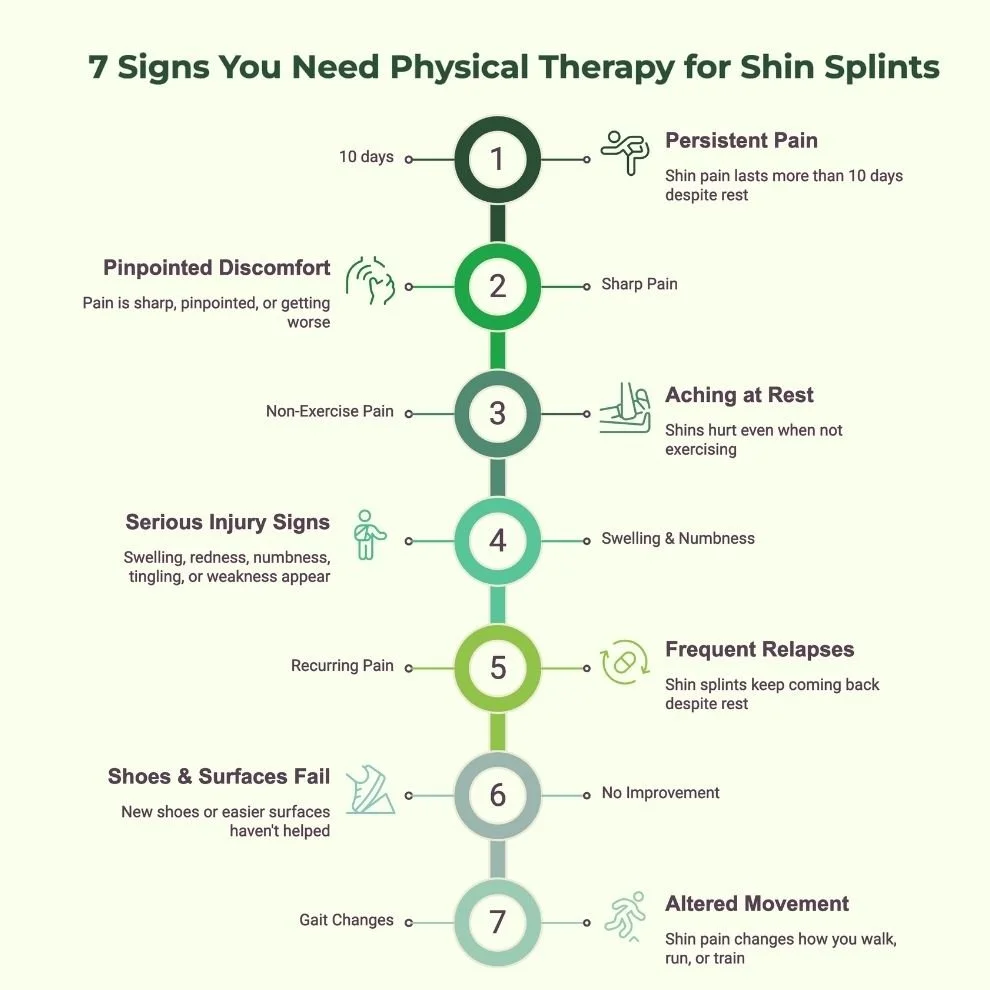
1. Shin pain lasts more than 10 days despite rest
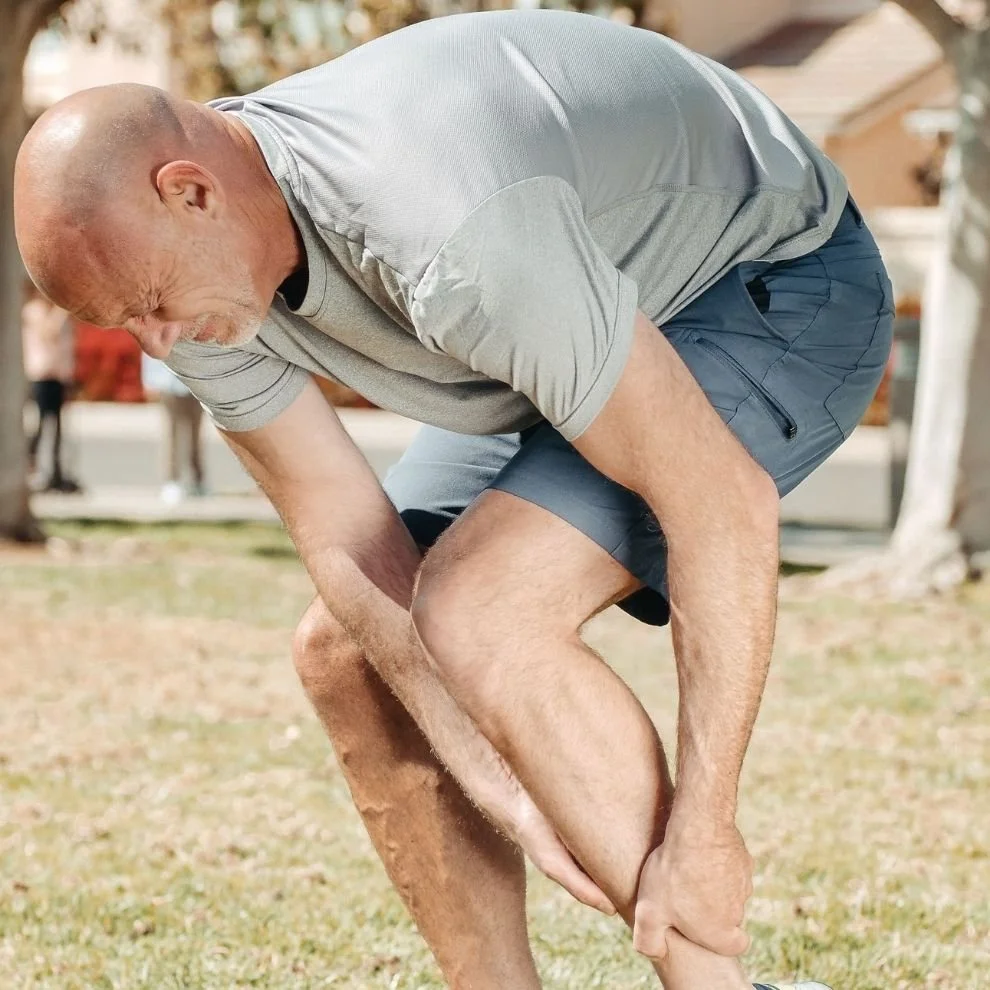
Pain that continues after more than a week of rest is a sign your body is not recovering as expected. While mild shin splints often improve after reducing activity, persistent pain may mean your lower leg needs more than rest to heal.
According to a study, shin splint pain usually improves within one to two weeks with rest and a temporary break from running. If your symptoms continue beyond that or keep returning as you resume activity, it's time for a physical therapy evaluation.
2. Pain is sharp, pinpointed, or getting worse

Instead of a broad ache along your shin, you may notice one small area that feels especially painful when you touch it or put weight on your leg.
You may also find that the pain starts earlier during your run, becomes more severe with activity, or doesn't settle down as quickly afterward.
3. Your shins hurt even when you're not exercising
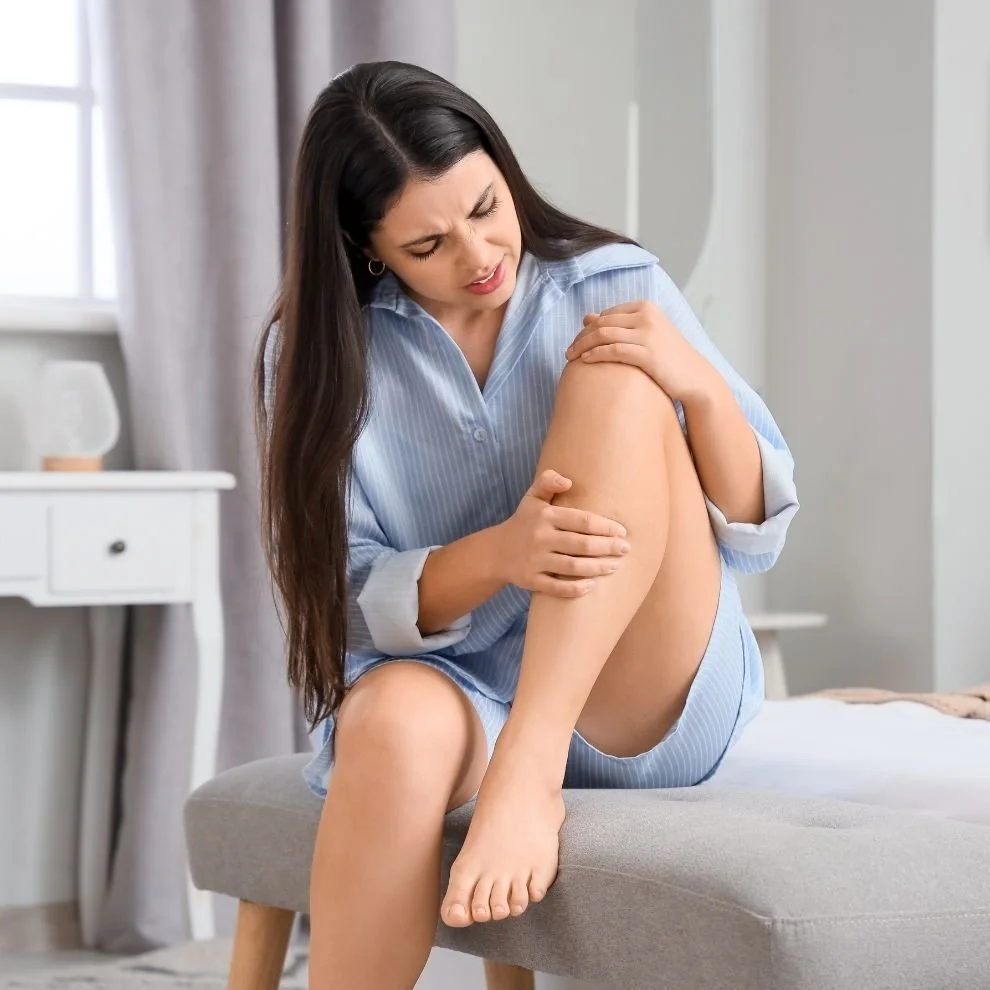
If your shins ache while walking around the house, climbing stairs, standing at work, or resting, your lower legs may not be recovering between activities. Pain that starts in your pre-workout stretches or lingers long after you've finished exercising is another sign your symptoms may be getting worse.
4. You notice swelling, redness, numbness, tingling, or weakness
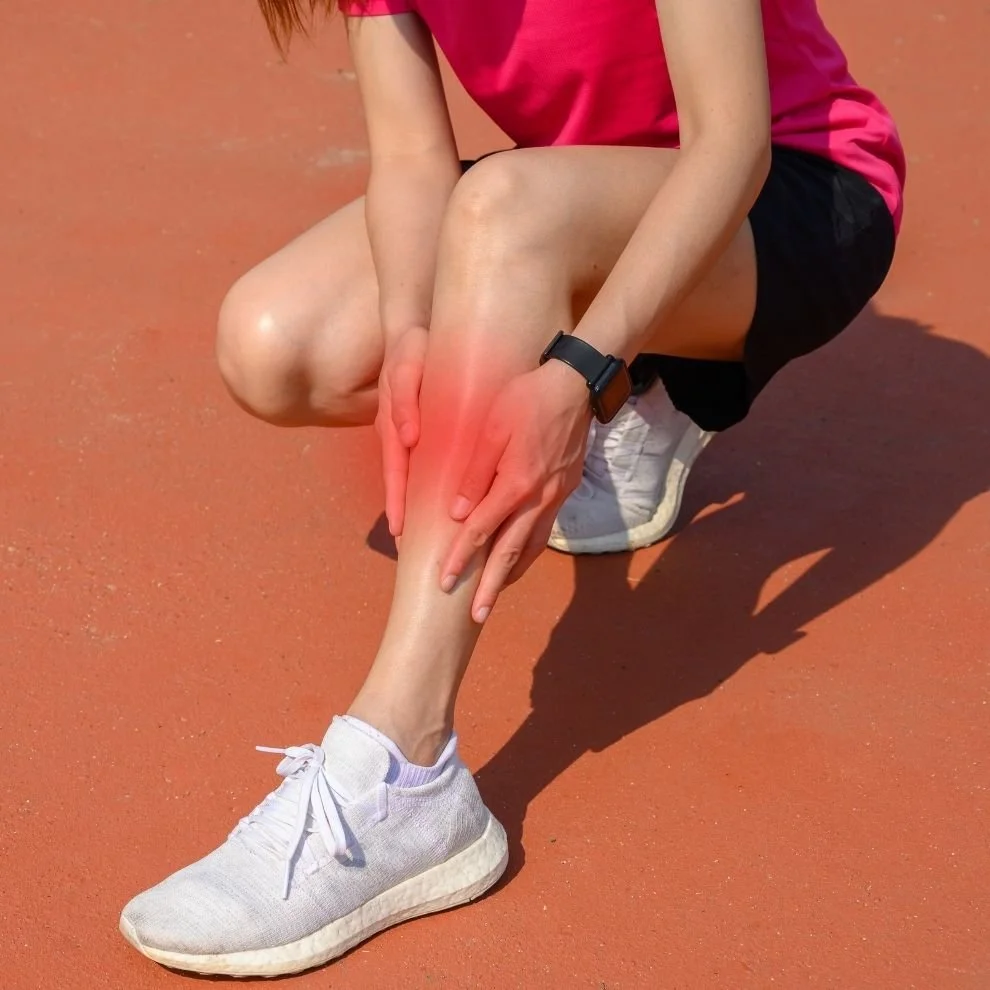
Swelling, redness, numbness, tingling, or weakness are not typical symptoms of shin splints. These changes may indicate a more serious injury and should be evaluated before you continue running or exercising.
You may notice your lower leg feels weak, your foot feels numb or tingly, or putting weight on your leg becomes more difficult. If these symptoms develop, schedule a prompt evaluation to determine the cause of your pain and the appropriate treatment.
5. Shin splints keep coming back

If your shin pain keeps coming back, your body may not be ready for the demands of your activity. You may feel better after resting, but the pain returns each time you increase your running, workouts, or training volume. This is a sign your recovery may require more than time off.
6. New shoes or easier surfaces haven't helped

While supportive footwear and softer terrain can reduce stress on your lower legs, they cannot correct movement patterns, muscle imbalances, or flexibility limitations.
If you've already tried replacing worn-out shoes, reducing your mileage, or switching to a treadmill or track with little improvement, it's time for a more comprehensive evaluation.
7. Shin pain changes how you walk, run, or train
You might find yourself limping, shortening your stride, slowing your pace, or avoiding activities that were once comfortable. These changes often shift extra stress to your knees, hips, ankles, or the opposite leg, increasing the risk of additional injuries.
How physical therapy for shin splints helps

Physical therapy for shin splints treats the cause of your pain, not just the symptoms. Your treatment begins with a thorough evaluation of your symptoms, activity level, strength, flexibility, and walking or running mechanics.
Based on your findings, your physical therapist may recommend:
Hands-on manual therapy to reduce pain and restore mobility.
Strengthening exercises for the feet, ankles, calves, hips, and core to build stability.
Stretching techniques to increase flexibility in tight muscles.
Balance and stability training to support better movement and control.
Running gait analysis and training recommendations to reduce stress on the shins
With the right treatment plan, you can recover safely and return to the activities that matter most to you.
Start physical therapy for shin splints in Chicago
Shin splints don't have to keep you from doing the activities you enjoy. If your symptoms aren't improving or you're finding it difficult to return to your normal routine, a physical therapy evaluation can help you identify the cause of your pain and start moving toward recovery.
Physio Chicago provides one-on-one care focused on reducing pain, restoring movement, and helping you return to the activities you enjoy. Get a Free Consultation and start your recovery with a personalized treatment plan.
FAQs about physical therapy for shin splints
Will physical therapy help shin splints?
Yes. Physical therapy can reduce pain and improve how your lower leg functions. Your treatment focuses on restoring strength, improving mobility, and helping you return to activity safely.
Why are my shin splints not going away?
Persistent shin pain usually means your tissues haven't fully recovered. Repeated stress, limited mobility, or changes in how you move can continue irritating your lower leg even after you've taken time off.
How long does it take to rehab shin splints?
Some people begin feeling better within several weeks. Your recovery depends on the severity of your symptoms, your activity level, and how your body responds to rehabilitation.
What is commonly mistaken for shin splints?
Not all shin pain is caused by shin splints. Conditions such as a stress fracture or compartment syndrome can produce similar symptoms and should be evaluated if your pain becomes more severe or localized.
What will happen if shin splints go untreated?
Shin pain can become more difficult to manage if it continues without treatment. You may start changing the way you walk or run, placing additional stress on other joints and muscles.
